Farm River State Park
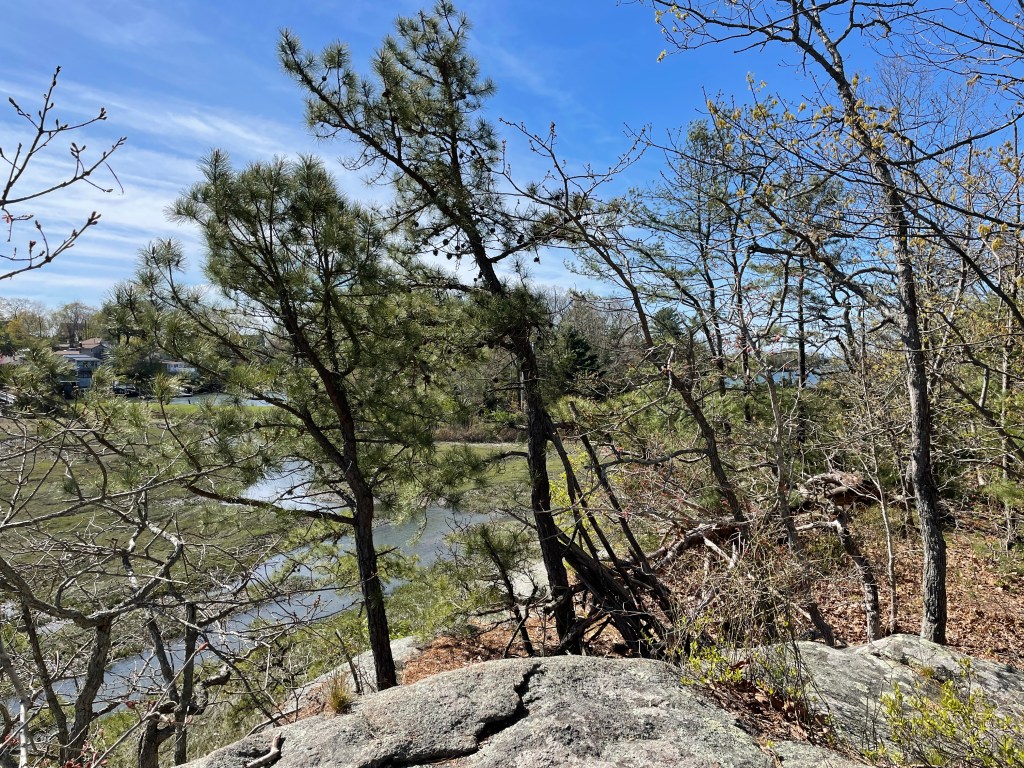
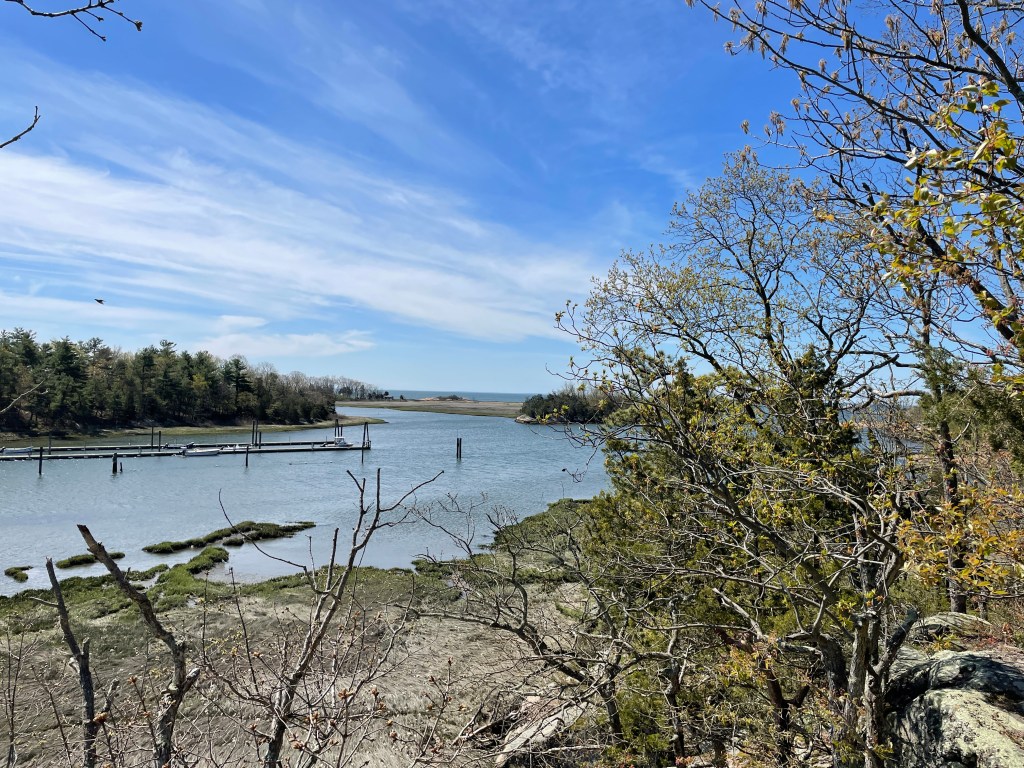
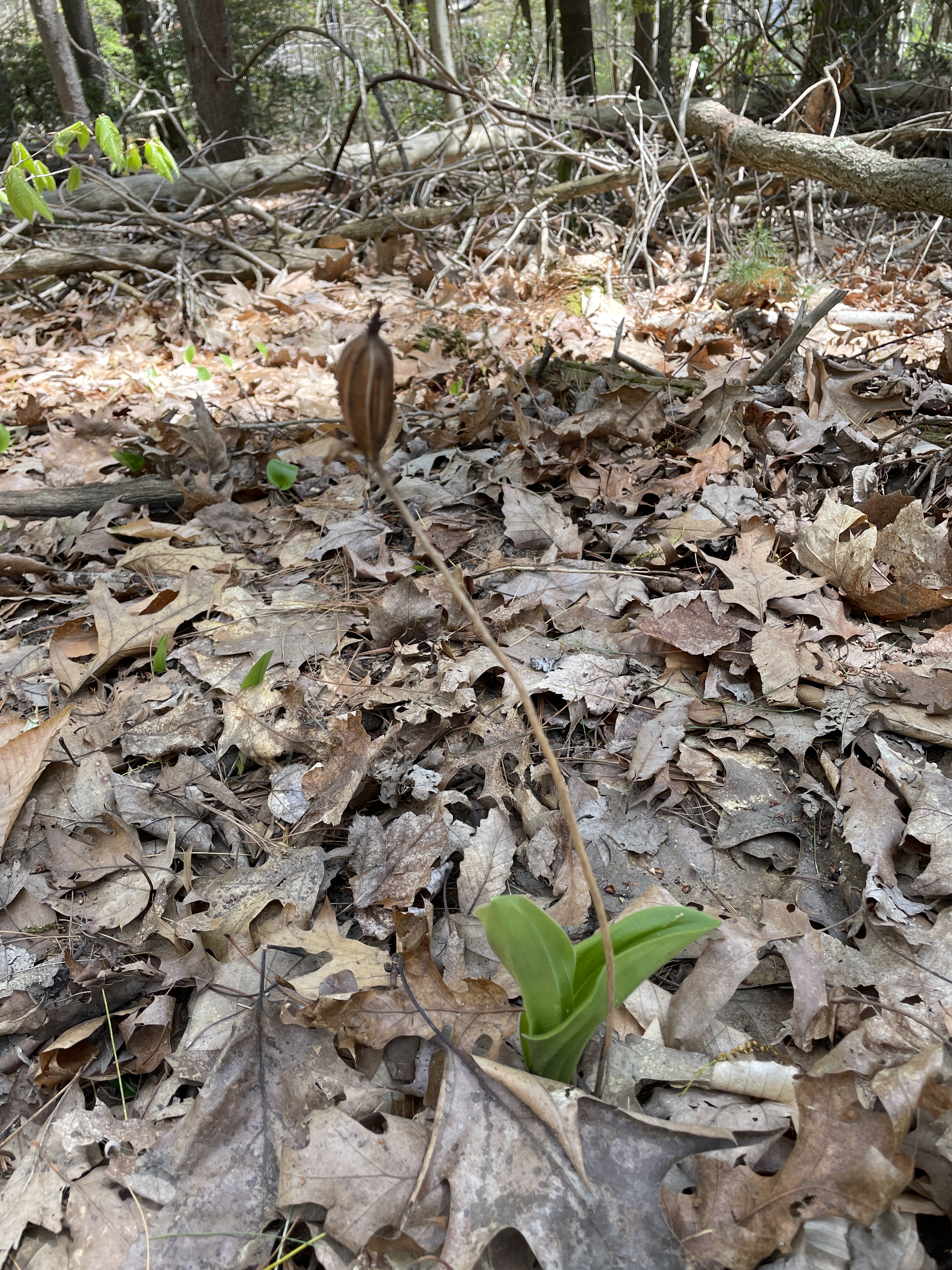
Spring flowers:
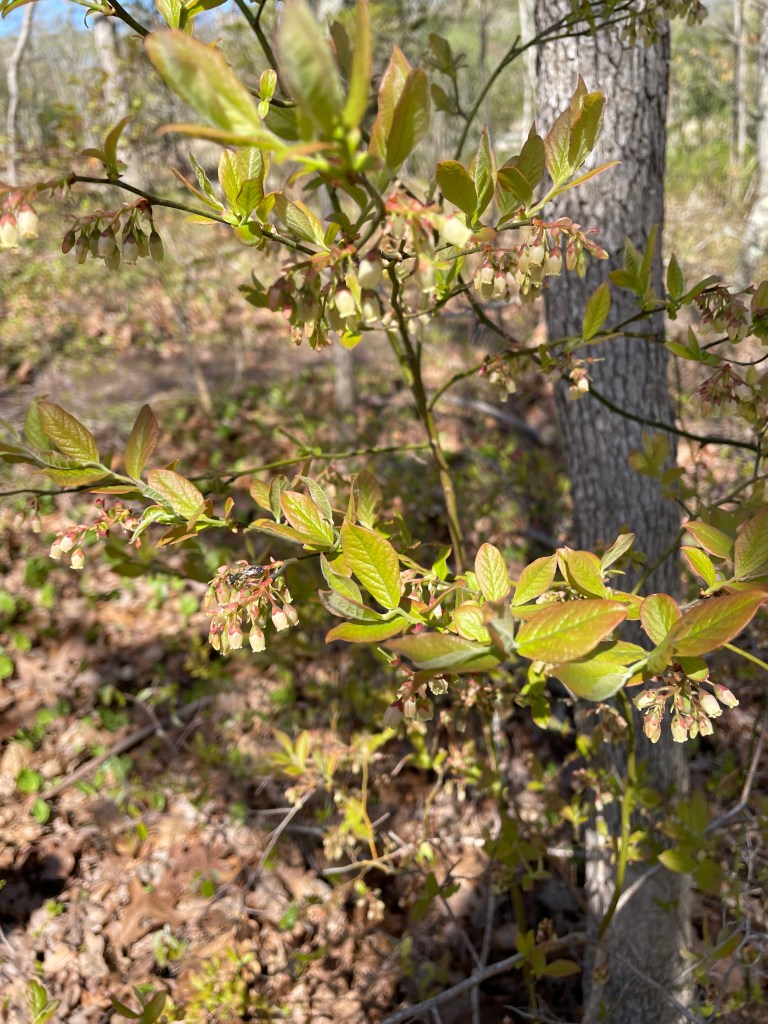
Blueberry 
Swamp pink 
Wild Geranium
Lake Wintergreen

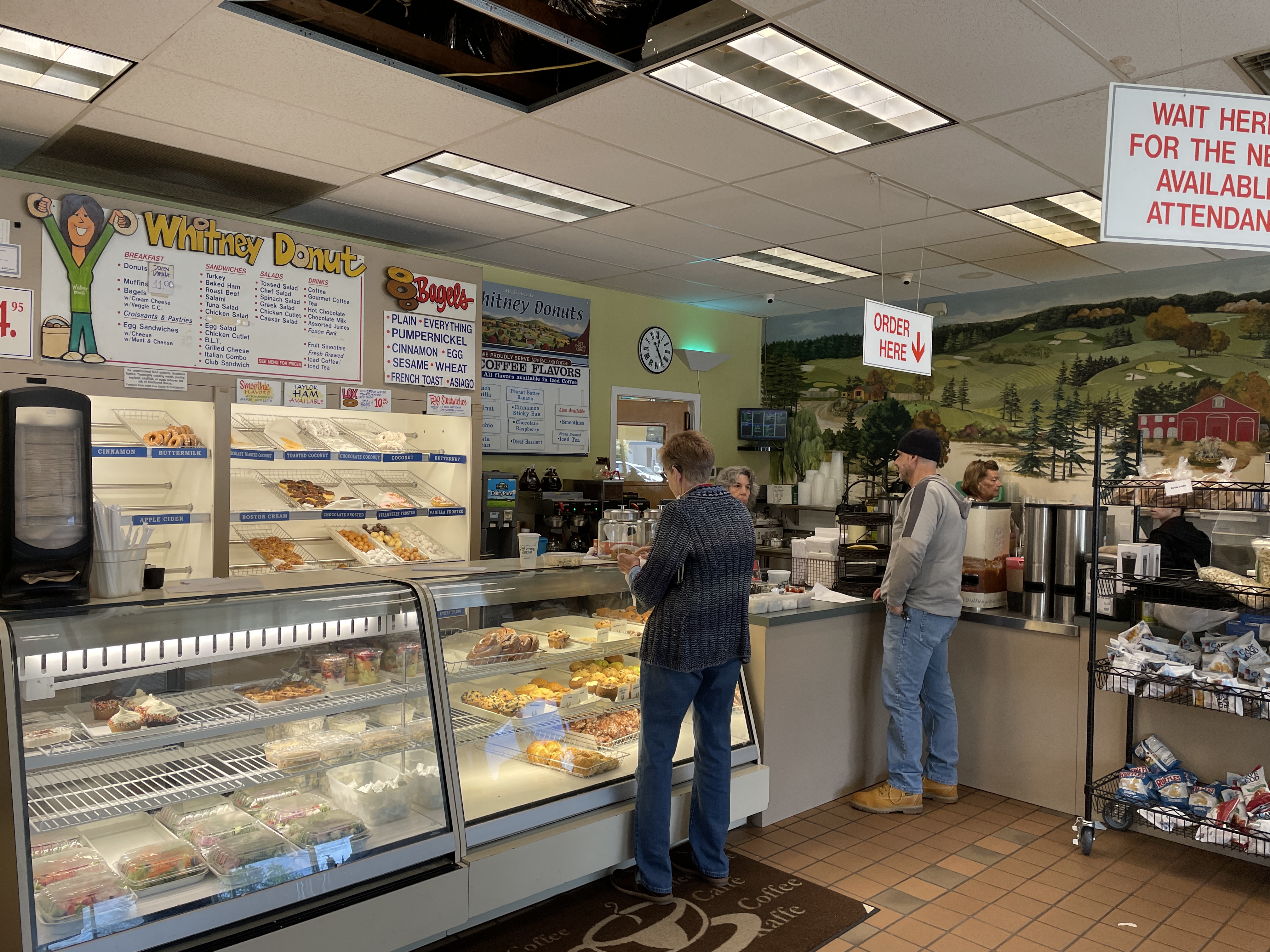
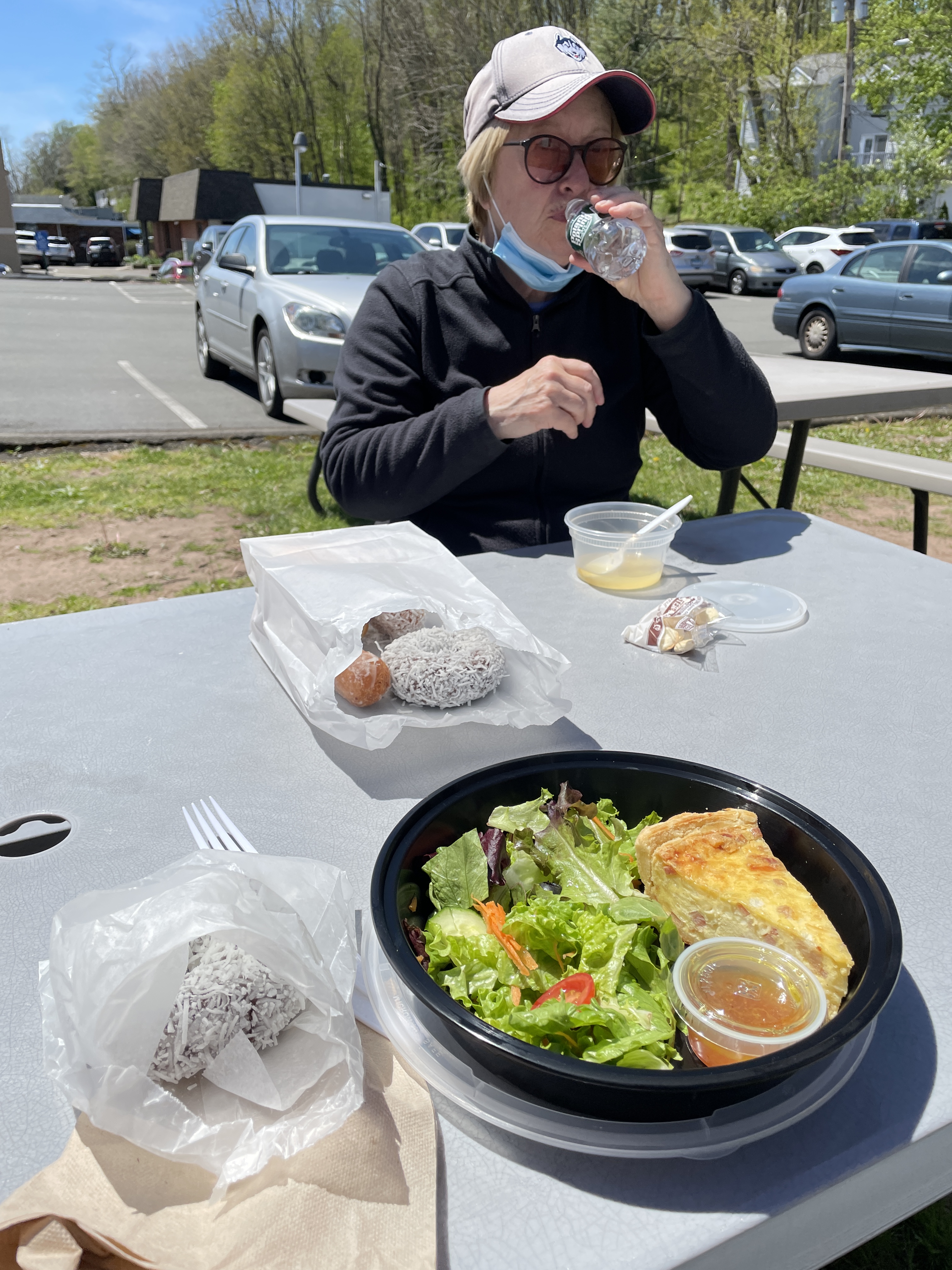
Lunch at Whitney Donut and Sandwich Shop
Thanks to Angie for company and DEEP Challenge photos
Farm River State Park
Spring flowers:
Lake Wintergreen
Lunch at Whitney Donut and Sandwich Shop
Thanks to Angie for company and DEEP Challenge photos


Recently, I met my friend Maggie at Ireland’s Great Hunger Museum, housed at Quinnipiac University, Hamden, CT. I remembered my shock years ago at encountering the Famine Statues (Rowan Gillespie, 1997) on Dublin’s sidewalks in an evening stroll and wished to learn more.
At Ireland’s Great Hunger Museum, I had that opportunity. The museum, whose exterior resembles the workhouses of the time with a lower entrance replicating the bowels of a boat, emphasizes a shift in historical perspective. The Irish potato blight of 1845 to 1852 caused a significant decline in available food to the tenant farmers but, quite significantly, the country continued to export food to England. Absentee farm owners ousted the people on the land who couldn’t pay rent and many were forced to emigrate. Some landlords even paid their tenants’ steerage, as it was less expensive than keeping them on the land.


Few artifacts or artistic works from the time are available, with the exception of illustrations such as political cartoons. The majority of this museum’s collection is newly developed work that reflects the more current view of the political and cultural aspects of the hunger’s calamity.
An unsung hero of the time was Elihu Burritt (1810-79), a New Britain resident. His resume was extensive, including his establishment of an international peace organization and the provision of humanitarian aid to Ireland.
Lacking a docent (they are currently being trained), we were treated with an engaging commentary from security guard Officer McCarthy. He also informed us that the entire contents of the museum will be shipped to Ireland for a year, so prompt visitation is encouraged.


Maggie, an Irish-American with deep roots in and multiple visits to Ireland, commented on her intense visceral responses to the material at the museum. She suggested she registered the hunger terror in her body, just as African-Americans may harbor the memory of slavery or Jews of the Holocaust. Interestingly, significant funding for this museum came from Murray Lender, son of Jewish immigrants and partner of Lender’s Bagels. And one of the artists, sculptor Margaret Lyster Chamberlain, used photos of Holocaust camp prisoners to modify her depiction of Irish destitute.


After our museum experience, Maggie and I headed out for a bite of Irish food. I looked at my plate when it arrived, laden with delectable food, and I considered the irony of this after going to a museum that honors those who perished unnecessarily from hunger. And here I was, eating as much as I wish, without a major dent in my pocket.
And I also considered how rich our country has become because of the Irish influx resulting from the dire conditions “over there.” And reveled in the diversity of foods we have available, right here in this restaurant and in our supermarkets. Global in nature. I looked around this restaurant, typical of many, staffed by people of all backgrounds. Only in America. I am grateful to live here.
 Beth Lapin