18 August 2017

The weather isn’t promising; in fact, my phone indicated rain most of the morning and thunderstorms at 9:15. But Cherry and I decide to hike anyway. As she quips, “The worst thing that could happen is we have a short hike and a long time to enjoy the food and ice cream at Friendly’s!”
We meet and head to Vernon around 9AM, just after rush hour traffic. Cherry’s had some family time with her half-sister, visiting from England with hubby and two kids. They all spent a day, along with her step-mom and other family members, at Look Park in Northampton, MA. Cherry describes the fun they had on the train, picnicking, and being together, which is special when some live across the pond.
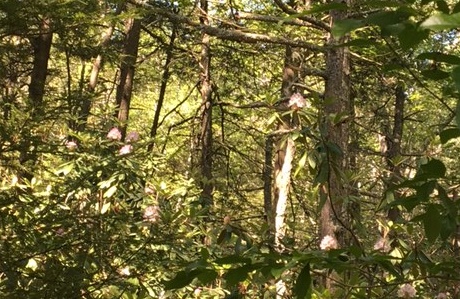
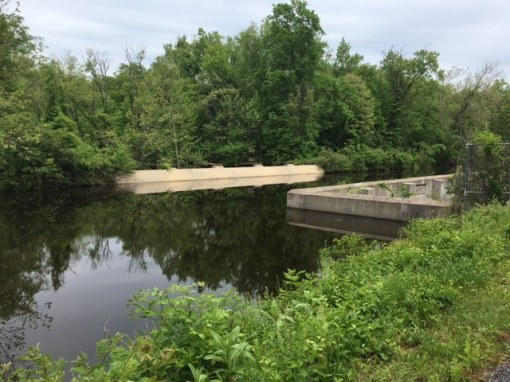
 Through my intuitive sense of direction (strongly lacking in Cherry, she always says), we find the Vernon Rails-to-Trails crossing on Taylor Street. We park on a nearby side street and head north. We both are surprised by the beauty of the surroundings. And the weather is holding; “I won’t say the “R” word,” Cherry declares.


Excellent signs describe the rail history of the area. We see remnants of track and talk about the Essex Steam Train, now able to travel northward into Haddam. I am disappointed the line won’t be converted into a hiking trail at this point.
 We see families with bicycle and other walkers, especially near the parking area. Here, we encounter a Reading Trail, something I’d not heard of but Cherry knew. For National Trails Day, the Vernon Park & Rec Department partnered with a local bookstore to establish a mile-long Reading Trail, where Curious George Makes Pancakes is parsed out, page by page. I think of my grandson’s love of George and how this would inspire children to walk!
After an hour, we decide to return to the car. We refuse to say the “R” word, but it’s starting to look ominous. We talk about friends and the difference between activities companions and true friends. Cherry’s thought a lot about this, and suggests that being friends with herself is most important, although a bit more challenging.
And then to Friendly’s, a brief six-minute drive! Well, actually I pull in too soon and we park at the neighboring fast food place and climb a small embankment to enter Friendly’s. Our waitress, Abby, can’t me more than 16; she must be at least that to work, right? Cherry notices an enlarged photo on the wall of three young women in the 1950s and tells Abby she had a dress like the one on the left and used to come to Friendly’s in Holyoke when she was young. “I used to come when I was a kid, too,” says Abby. Could that have been more than ten years ago, Cherry and I laugh, after Abby leaves our table.
 I try to convince Cherry to be Queen of Friendly’s for a day, but she leaves the crown at the register. And as we drive home, we laugh about the silent “R” word – it was perfect weather! We are chugging through the remaining Connecticut options; according to my notes, we only have six more to go!


 Recently, the Hartford Public Library sponsored a screening of and discussion with director Samantha Farinella. This award-winning documentary highlights the lives of Tlingit veterans from Hoonah, a small fishing village in Alaska. Their entire male high school graduating class went off to Vietnam, all but one returned, but their lives were changed forever. Many began drinking heavily, experienced emotional and physical illnesses, and found their way of life challenged by changes in fishing regulations and influx of logging industries from the lower United States.
 Moving and compelling, parts of the film was difficult to watch, as there is authentic footage showing carnage and the realities of war. I had to look away at times, but continually behind the footage were the voices of the Native American veterans and their story. And the intensity was relaxed through the use of an animated folk story that was relevant and instructive in the ways of the native people. The veterans would describe, “You’re smiling on the outside but you’re cold on the inside” and then the animated folk story of the beginning of their people would intervene: Their father the Sun sent five boys and one girl down in a basket. “Pull the strings if you’re scared,” said the Sun.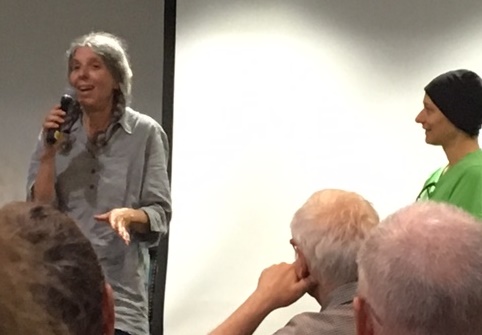
 28 June 2017
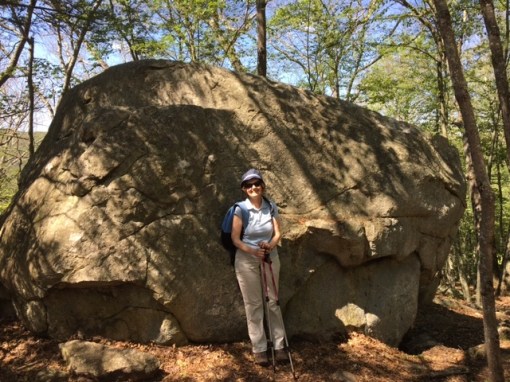 It doesn’t take us long to reach the junction with the blue Pomperaug Trail and then its junction with the Crest Trail. I am on the look for skinks, a type of lizard, and the only one found in Connecticut. I think the crest habitat might be a possible place for them, so we decide to walk along there first. As we reach an open area, we notice gypsy moth caterpillars hanging from trunks in abundance. “Those head down are dead from the fungus,” I say, having just researched the topic. We look more closely at one of the trunks and see dozens, maybe a hundred pupae! I grab a stick and scrape scores of them off, only realizing I should have photographed them before doing that.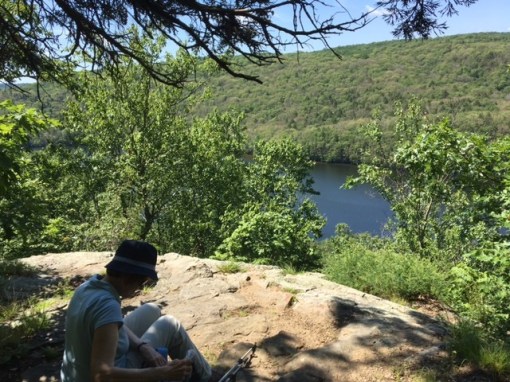





 And then I remember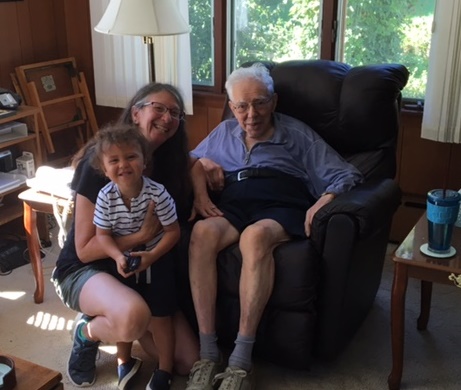
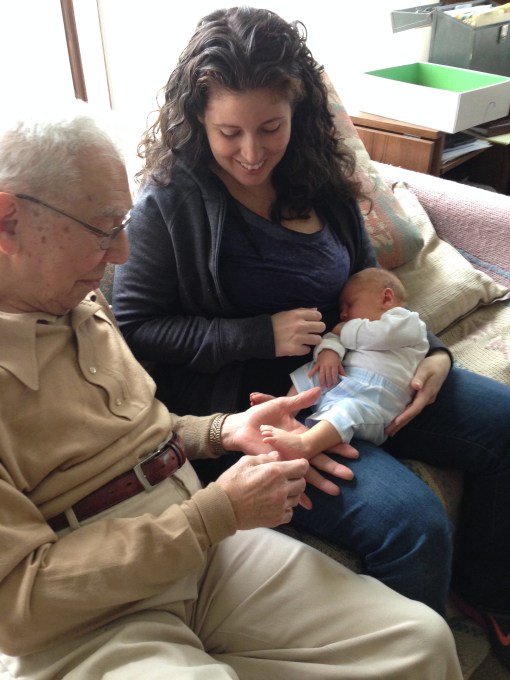 Who could forget when he split his pants in the middle to Plant Street, as he rushed around gathering receipts from Youth Colony that he’d left on the top of the car when he drove off? Or when he had words of wisdom, looking at Ori’s newborn feet or always asked for Ori when I’d come to visit alone?
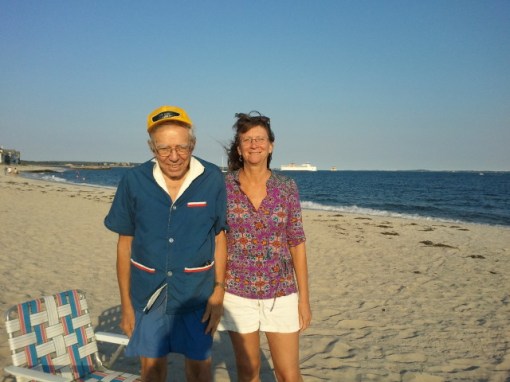 After Aunt Rivie died, Uncle Larry was well cared for by our families and friends. He was able to enjoy many aspects of life including time in his home, events with family, and trips to the beach.
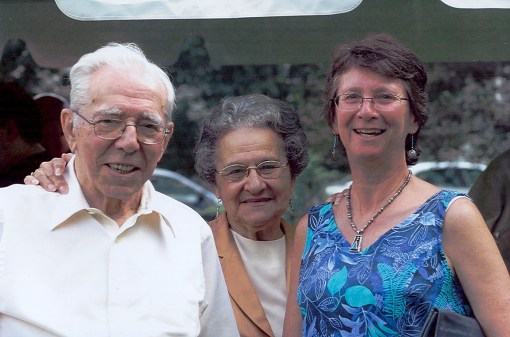 We know that Aunt Rivie and Uncle Larry are now cruising around again together, and they aren’t worrying about a crackdown!
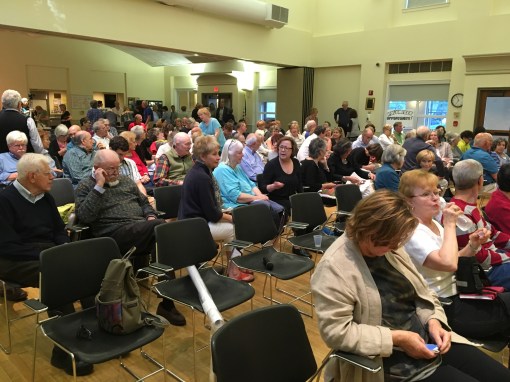
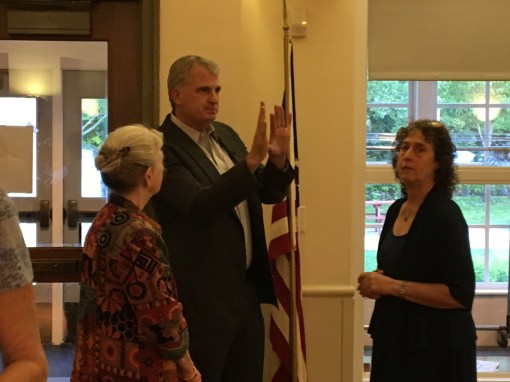 Timothy Snyder gives an engaging lecture, full of well-worded descriptions and definitions that make instantaneous sense. His recent presentation, attended by more than 200 in the shoreline town of Guilford, was eye-opening, thought provoking, inspiring, and terrifying.
 During his lecture, he differentiated between a patriot and nationalist. Reading from one of his book lessons, Be a patriot: “A patriot…wants the nation to live up to its ideals, which means asking us to be our best selves…..A patriot has universal values, standards by which he judges his nation, always wishing it well—and wishing that it would do better.” On the other hand, “A nationalist ‘brood[s] on power, victory, defeat, revenge’ …[and] encourages us to be our worst, and then tell us that we are the best.”
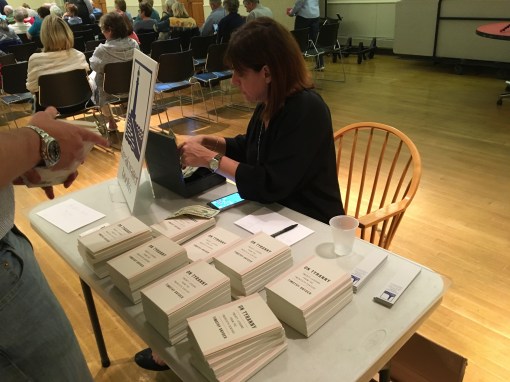 One of Snyder’s lessons is Make eye contact and small talk. Keep connected to others in the community, especially those who are under attack. During Hitler’s time, a turning point occurred when citizens would cross the street to avoid their Jewish neighbors. We need to recognize each other’s humanity and right to exist, regardless of our different opinions. That’s what has made this country so amazing: freedom of speech and pursuit of happiness, people with many views living here in relative freedom and peace. Snyder believes these points are currently under threat and that those of us who cherish these values can take action, make steps, and keep the United States a democratic republic “with liberty and justice for all.”
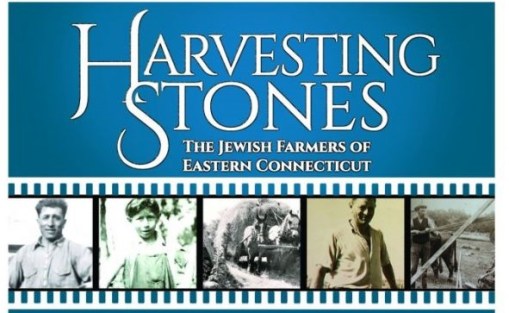 11 June 11, 2017
 “You should join the Descendants of the New England Hebrew Farmers of the Emanuel Society (NEHFES),” he said. I didn’t think my great-grandparents had been part of the society, but Jerry assured me it didn’t matter. Over the winter, I researched our family’s history and discovered deeds for The Farm, including mortgages to Baron von Hirsch, typical of NEHFES members. I was in!
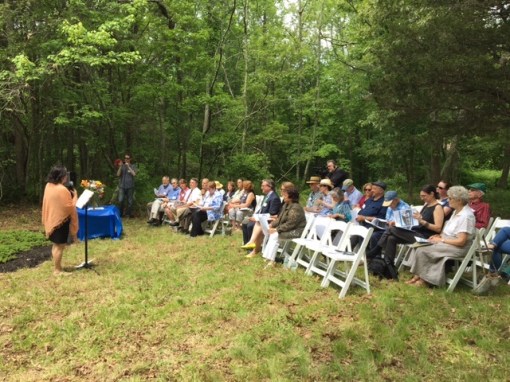 Which brings me to the present. On June 11, I attended a celebration of NEHFES’s 125th anniversary, held at the site of the former synagogue, mikvah (ritual bath), and creamery. The program was rich with information: Nancy Savin, president, welcomed everyone and read a letter from State Senator Richard Blumenthal. Rabbi Marc Ekstrand gave an invocation, followed by commentary from previous (Mary Donohue) and current (Catherine Labadia) staff from Connecticut State Historic Preservation Office. Montville’s historian Jon Chase (who had assisted with pinpointing my family’s farm’s location) provided the historical development of religious groups in the area.
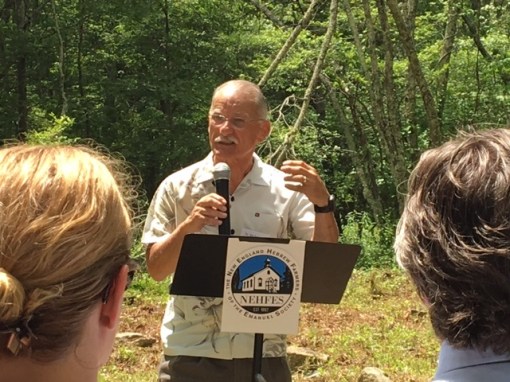 Nick Bellantoni, former state archaeologist, described student excavations, while Dr. Miller, from UCONN, talked about some of the unique features of the site.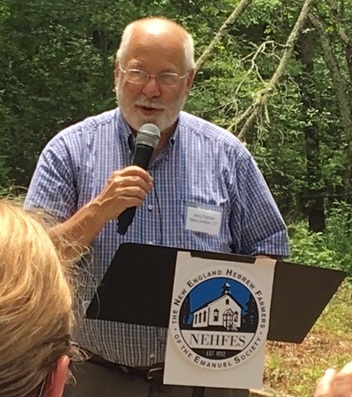

 The weather isn’t great, but it is better than we’d been having, so Cherry and I set off for the Windsor Locks Canal Trail which runs parallel to the Canal and Connecticut River. We park at the abandoned factory and walk north along the canal, built in the 1800s to bypass Enfield Rapids. The initial section is fairly industrial but we have lots to share, so the surroundings don’t matter as much.
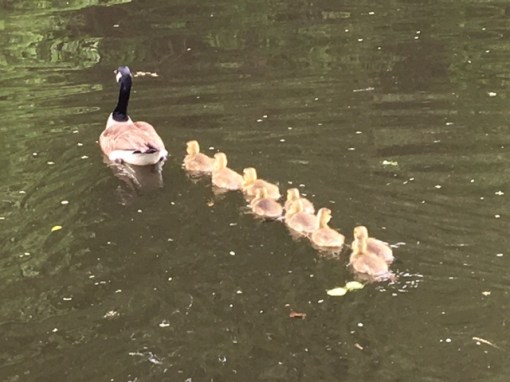 As we continue northerly, we enjoy seeing several families of geese, signs of beaver, and lovely views of the Connecticut River. We pass several walkers and bicyclists, including one woman training a Shephard for K-9 work. We go about two miles, to the Stony Brook Aquaduct, where we sit for a few minutes on a strategically placed bench. Someone had written lyrics (Van Morrison’s Moonsdance, Blue Jean Blues, Little Feat) on the bridge pillars. By then, the sun is peaking out and we head back to the car.
 I talk about trying to find my balance, now that many things in my life are stable. I’ve taught an ecotherapy class at UCONN that went well, I’m winding down at the Middletown Arts Office, and want to start putting my usual activities back into my life. Some interesting whispers have come my way, and I am interested to see what develops from any of them.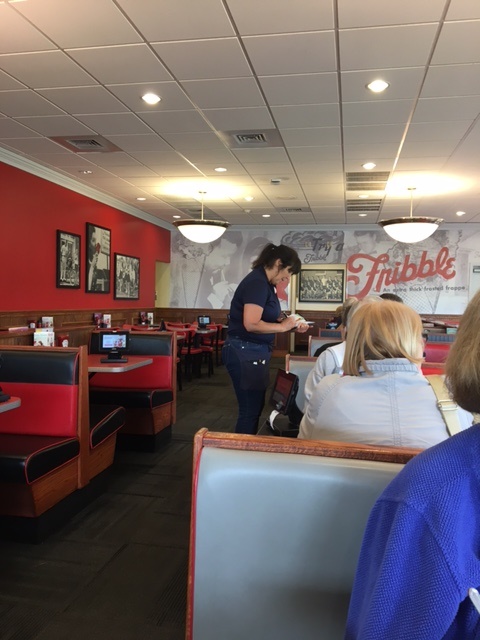
 Beth Lapin