Tribute to Susan Allison

17 05 2018


SusanAllisonsq Rolande sky

Photo: Rolande Duprey

“I’ll be dead in a month,” she said, just as I was ready to leave. A door knob disclosure. I sat back down. Susan said her mother had predicted and orchestrated her passing. I asked what she was feeling now and Susie said, “Just a sense. And pain.” We spoke a bit longer before I had to leave, as I was already late for my grandson’s birthday cake celebration. It was the last time I saw her, about a month ago.

Susan was my muse. She started the transfer of my thoughts to paper in a more consistent way. She assigned me tasks I thought were beyond me but proved me wrong. Our interactions ebbed and flowed over the years. She came on some of my hikes while recovering from her bouts of cancer. I worked for her husband for a few seasons.

Then, after The Election, our contact reestablished through her Poet’s Corner at the library devoted to Resistance. Susan wanted to publish more of her poetry and I offered my skills and experience using self-publishing. Thus began seven months of regular meetings to review and edit her poems. Throughout all her treatments and challenges, Susan continued to revise her work. Even that final visit included the transfer of final edits of her short poems and ditties book.

Susan glowed much of the time, even while in pain. Her exterior lightness contrasted with her inner angst. Peace now, Susan. It’s all Light now. xoxo
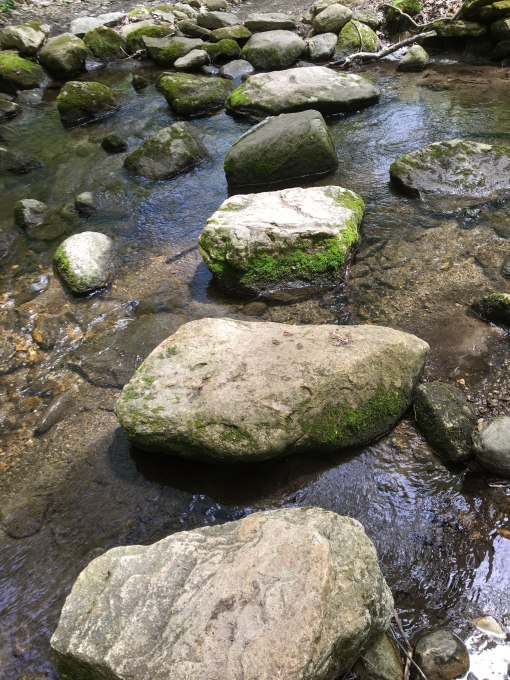
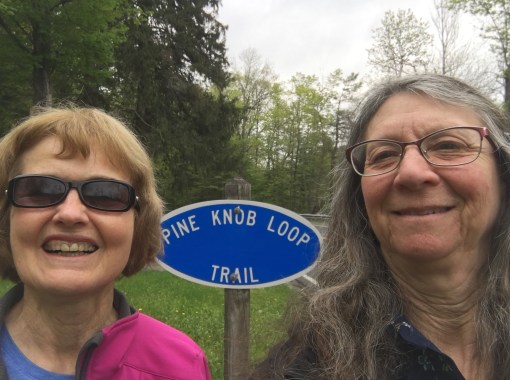
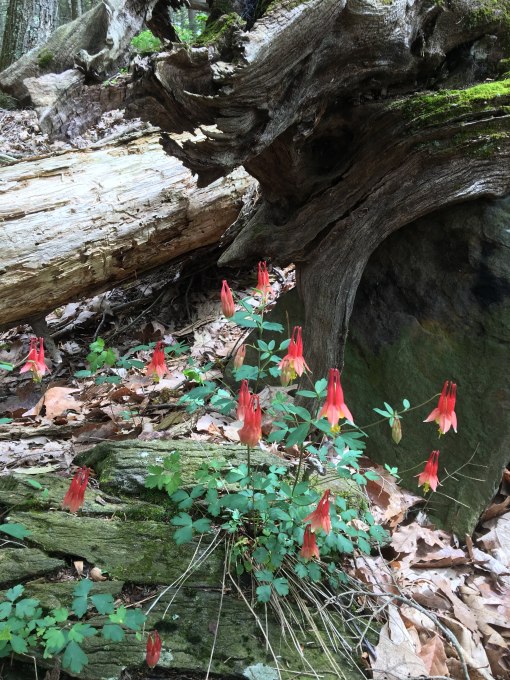
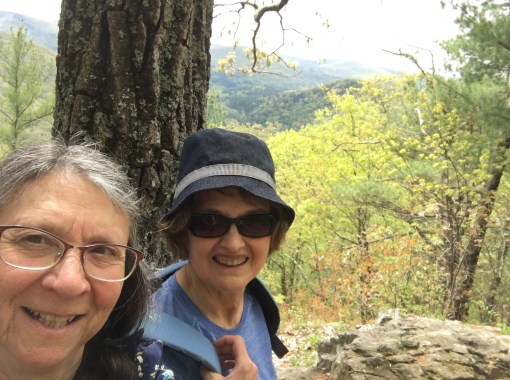

Housatonic Meadows State Park

16 05 2018

Housatonic Meadows 6

(Text from the DEEP website) Located in the rock-strewn valley of the Housatonic River amid the rugged hills of the northwestern uplands, Housatonic Meadows is an ideal setting for a variety of outdoor recreational activities. Camping under the tall pines on the riverbank gives the overnight visitor a genuine back-to-nature feeling. The clear, cold river water also provides a fine opportunity for fly fishermen to test their skills on trout and bass. A two-mile stretch of river (including the park shore) is limited to fly fishing. In 1927 Housatonic Meadows was established as a state park.

Housatonic Meadows 1

At the trailhead

Housatonic Meadows 2

Wild Columbine (Aquilegia canadensis) along the way

Housatonic Meadows 3

At the overlook of the Housatonic River Valley


Housatonic Meadows 4

A group of Yale students hiking the AT

Housatonic Meadows 5

Fellow DEEP Sky’s the Limit hiker Jim with Cherry

Gosenette 1

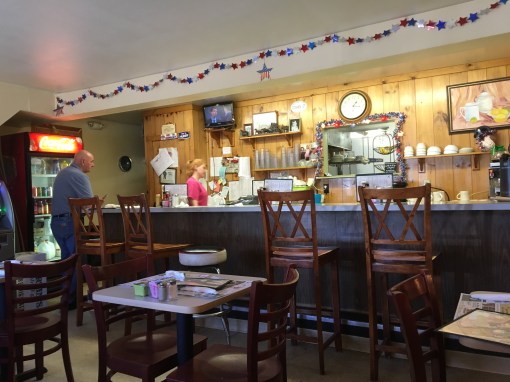
Followed by lunch at the Goshette

Gosenette 12

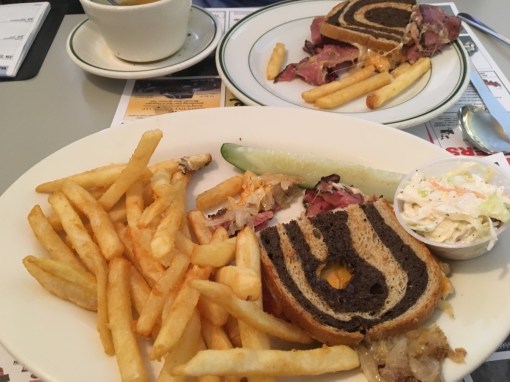
Our waitress understood my taking home our left over french fries for my neighbor’s chickens.


Friendly’s Highlights

10 05 2018
Beth and Cherry at Emporium Cassandra Day

Photo by Cassandra Day

Friends,

Here’s a summary (prepared by Cherry) of our Hikes for Friendly’s, which are detailed here. We were written up today in the Middletown Press!

Hiking for Friendly’s: 2015-2018

2015
June 8: Airline Trail, Portland and Cromwell Friendly’s- Where it all began!
July 13: Sprague Preserve, Franklin  and Willimantic  Friendly’s
August 17: Tyler Mill Preserve, Wallingford and North Haven Friendly’s
September 8: Ragged Mountain and Southington Friendly’s
October 27: Barnes Memorial Nature Preserve and Bristol Friendly’s

2016
March 4: Mattabesset River Trail and Cromwell Friendly’s
August 26: Lantern Hill and Mystic Friendly’s
October 11: Great Meadows and Wethersfield Friendly’s
December 21: Scantic River State Park and Enfield Friendly’s

2017
January 20: Northwest Park, Windsor and Windsor Locks Friendly’s
February 24: Milford Point and Milford Friendly’s
April 20: Naugatuck State Forest, Beacon Falls and Naugatuck Friendly’s
May 24: Windsor Locks Canal and East Windsor Friendly’s
June 28: Kettletown State Park and Southbury Friendly’s
July 10: Pauchaug State Forest, Voluntown and Norwich Friendly’s
September 11: Huntington State Park (Newton, Redding) and Danbury Friendly’s
October 18: Talcott Mountain and Avon Friendly’s
November 15: Case Mountain and Manchester Friendly’s

2018
January 12: Elizabeth Park and Hartford Friendly’s
March 2: Crescent Lake, Southington and Plainville Friendly’s
April 25: Cromwell Friendly’s- We did it!

PS Two of these Friendly’s (Milford and Hartford) have closed since our adventures


Day Pond State Park

2 05 2018

IMG_5057

(Text from the DEEP site)

The pond, which is the central feature of the park, was originally constructed by a pioneering family named Day. The water from the pond turned a large overshot waterwheel that powered the “up and down saw” of the family sawmill. Park visitors today will find only stone foundations as reminders of those colonial times. Day Pond is an attractive area for fishermen since the pond is stocked with trout. It was established as a park in 1949.

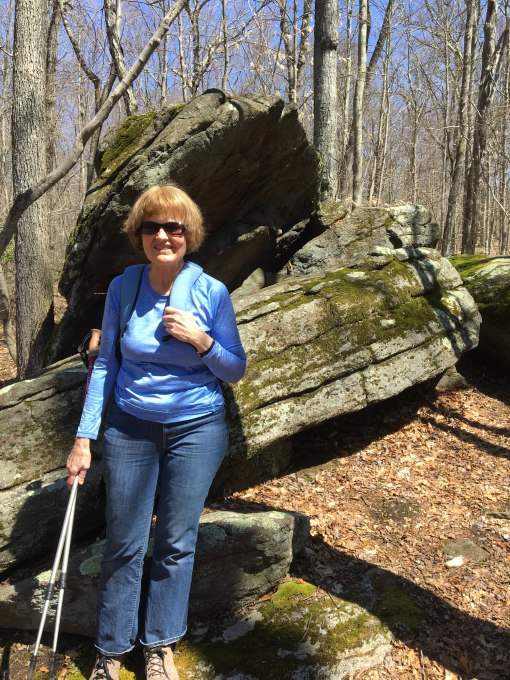
IMG_5041To begin the geologic exploration of the Day Pond, cross the dam, and then follow the blue trail to the left. The abundance of boulders in the woods indicate this area is covered with till, the unsorted material left behind by the glaciers. Till contains grain sizes from microscopic clay grains to boulders as large as houses. Till is generally found on the hilltops, while stratified drift is found in the valleys, where heavy melt water from the glaciers sorted the materials into deposits of similar sized grains. Natural sand and gravel deposits thus occur in valleys.

IMG_5043

Wake-robin/Red Trillium


IMG_5054

The Quaint


IMG_5044

The Ugly

IMG_5060

Rewarded with lunch!! Chili dog and whitefish sandwich. Yum.


Hiking For Friendly’s Celebration!!

26 04 2018

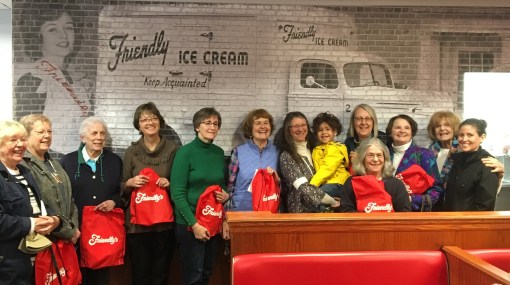
celebration-2.jpgCherry and I returned to the “scene of the crime” where our Friendly’s adventures began, in Cromwell, CT. Surrounded by family and friends, we recounted our story of visiting 22 Connecticut Friendly’s and our associated hikes.
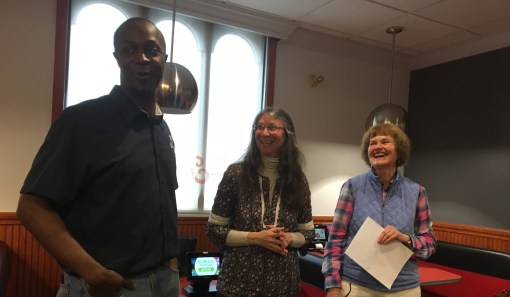
celebration-1.jpgCromwell’s manager Sean and his excellent staff took good care of us, with complimentary sundaes and goodie bags from Corporate Headquarters.
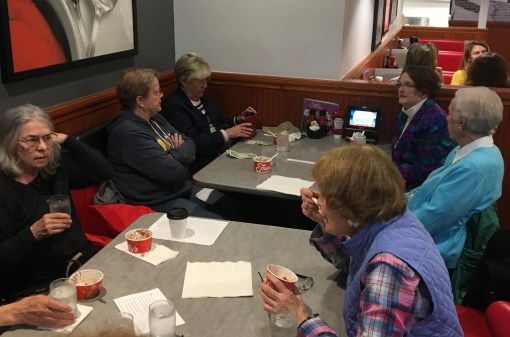
celebration-4.jpgWe all had Friendly’s memories and stories to share and a chance to reunite with long-time friends and cross-pollinate with others.

celebration-5.jpgThe perfect activities for a gloomy, rainy afternoon!

celebration-3.jpgThank you, Cromwell Friendly’s, all the other Connecticut stores, and Headquarters for making a memorable day!
celebration-6.jpg


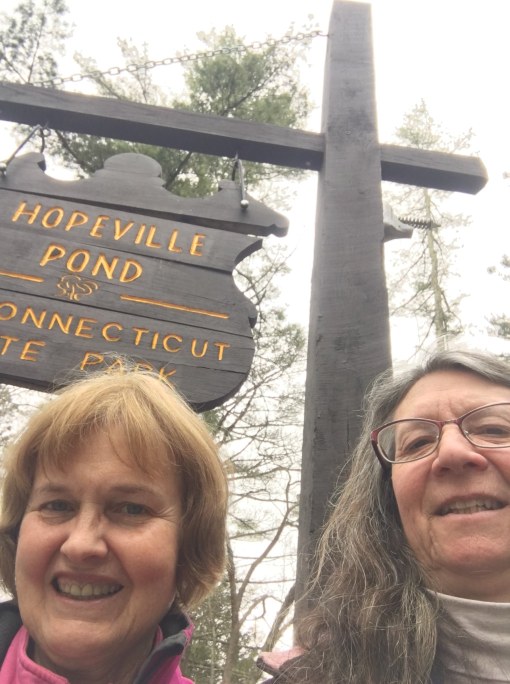
Hopeville Pond SP

19 04 2018
Hopeville Pond 1

Sky’s the Limit Site #11

From the DEEP website:

The Pachaug River was a major fishing ground for the Mohegan Indians. At low water the stone weirs, constructed by the Indians at angles from the river banks, are still visible. These weirs directed water flow as well as eels, shad, and other fish toward the center of the stream where the Indians placed baskets to trap them. Until blocked up by a dam, constructed in 1828 at Greenville, shad passed up the Quinebaug River in great numbers.

In pioneer times, the gristmill and sawmill were among the first requisites of a community. In 1711, surveyor Stephen Gates was granted fourteen acres of land within the limits of the present state park for the purpose of constructing mills. He erected a sawmill and cornmill at the natural falls (now underwater) on the Pachaug River for the convenience of the inhabitants. In 1818, Elizah Abel purchased this mill privilege and erected a woolen mill at the site. John Slater later purchased the woolen mill, sawmill, and gristmill; he then built a satinet mill faced with local granite. He named his new mill the Hope Mill. The name Hopeville was derived from this and has remained to the present time. In 1860, the village of Hopeville reached its zenith with the tremendous demands for woolens. At this time, it was owned by Edwin Lanthrop and Company and prospered until 1881 when the mill was destroyed by fire, never to be rebuilt. At the turn of the century, the church and four houses in the community burned. Furthermore, in 1908, the gristmill which had operated from 1711 until that time also went up in flames.

Hopeville Pond 5

View from parking area

The site’s suitability for recreational activities was recognized in the 1930’s when the Federal Government purchased considerable acreage in Eastern Connecticut. These lands were managed by the Civilian Conservation Corps with evidence of much of the work done by the CCC still visible in the pine plantations, forest roads, and fire control ponds. Most of these federally purchased lands now comprise portions of the nearby Pachaug State Forest. In 1938 Hopeville Pond was designated as a state park.

Hopeville Pond 4

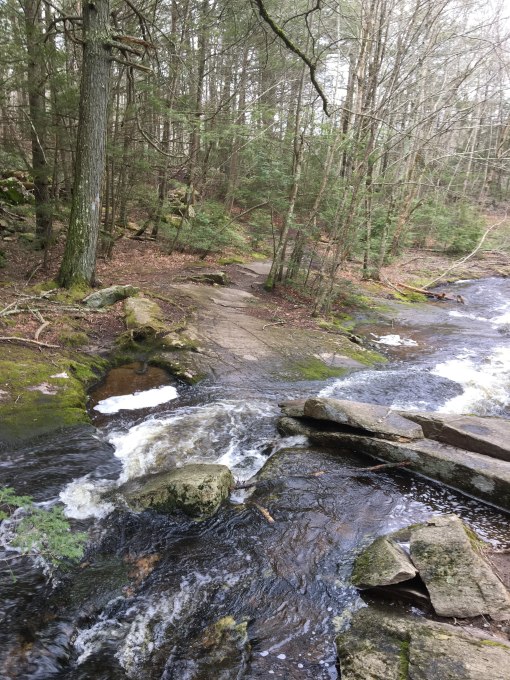
High water flow on our hike

Hopeville Pond 2

Bizarre canker in birch tree

Hopeville Pond 3

We reach the small waterfall

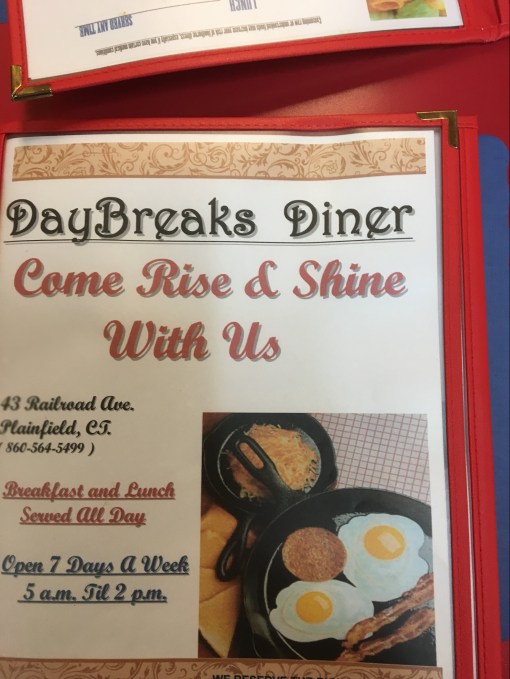
plainfield-lunch-1.jpg

It must be time for lunch!


Old Furnace SP

18 04 2018
Old Furnace 1

Sky’s the Limit #5

Colonial New England was famed for its use of water power to drive the machinery in its mills. The potential energy that could be harnessed from flowing water was based on the steepness of the elevational drop in the streambed; the greater the drop, the more the potential power.

Old Furnace 2

Water was raging during our visit!

(Text from the DEEP site) Iron making was one of the many industries to use water power. Iron ore was processed in a blast furnace and produced iron that could be formed into a wide variety of items necessary in 18th century America. It is from a former iron furnace on this site that the park draws its name. And this furnace was especially of value in the revolutionary war when it was a major supplier of horseshoes, a commodity greatly needed by the Continental Army. As times changed and the iron ore resource was exhausted, the need for and use of water power also changed. By the 1830s, this location was the site of a grist mill.

Old Furnace 3

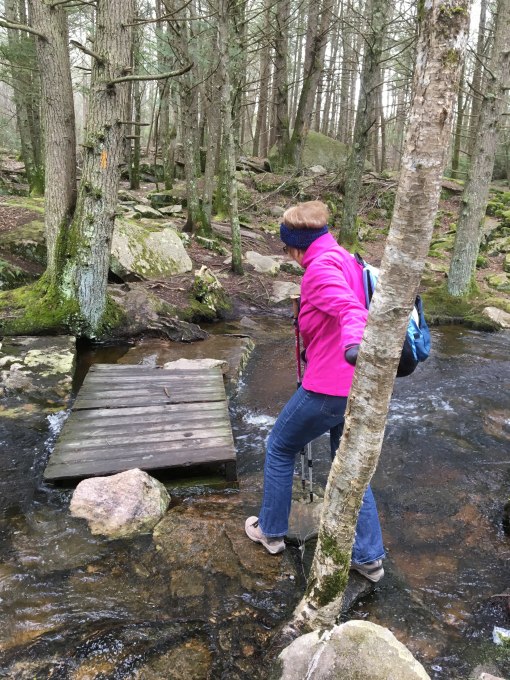
Interesting bridge crossing!

Through the years as local industry changed on the land, so too was there change in the ownership of the land. By 1909 the property owner, William Pike, made the decision to sell the location to the town of Killingly for a municipal park. Nine years after that, in 1918, Killingly sold the park property to the State of Connecticut which has since added more land to form the park we have today. And while explorers will find some remnants of the furnace operation still existing by the brook, many early features have been lost over the years to the landscaping that created the present park setting.

Old Furnace 5

Rock formations

Today the park’s recreational landscape compliments the historic landscape of yesterday. One of Connecticut’s best short hiking trails is a case in point. Hikers may access the trail by crossing Furnace Brook opposite the picnic area and locating the light blue blazes on the trees. Any question of effort will prove worthwhile with the panorama from the rocky outcrops. The view, from 200 feet above the valley, is described by some as stunning, and encompasses Half Hill Pond (also known as Upper Ross Pond) in the immediate foreground and in the distance an unobscured view across eastern Killingly and beyond into Rhode Island. A lush mix of deciduous and coniferous tree cover surrounds the lowland wetlands and adds a special mix of vibrant color in the fall.

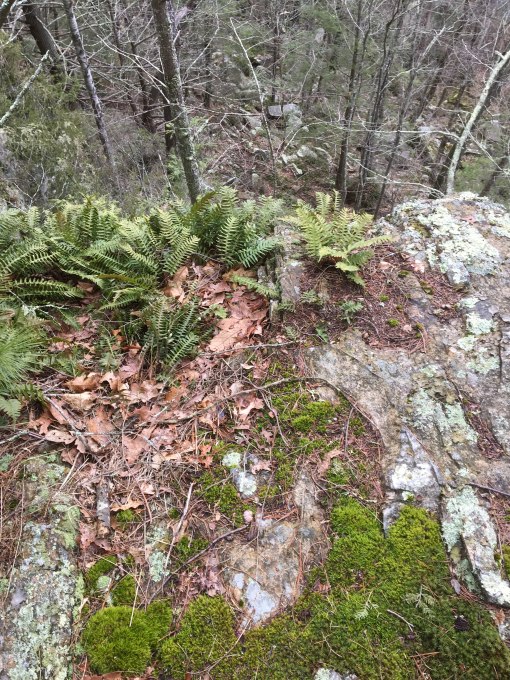
Old Furnace 7

Beautiful ferns and formations

Plainfield lunch 2

Brunch… (and she ate the whole thing!)


Machamoodus State Park

30 03 2018


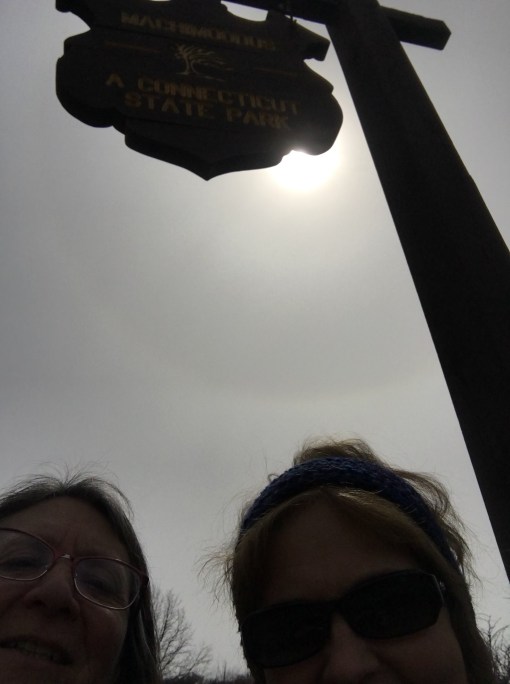
Machimoodus 1

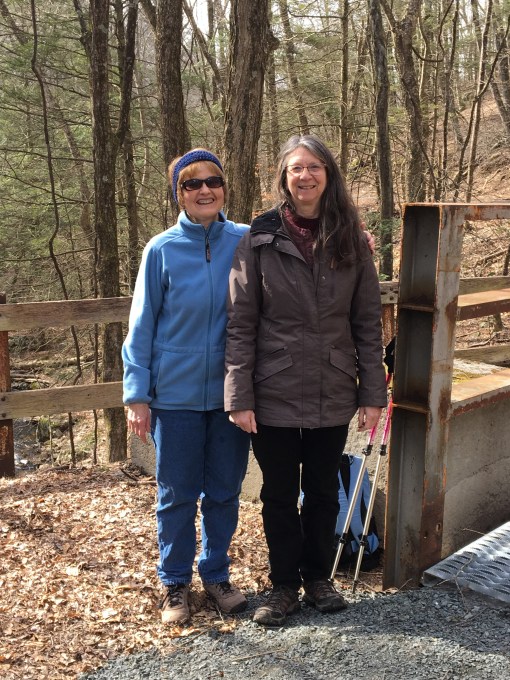
And so we start.

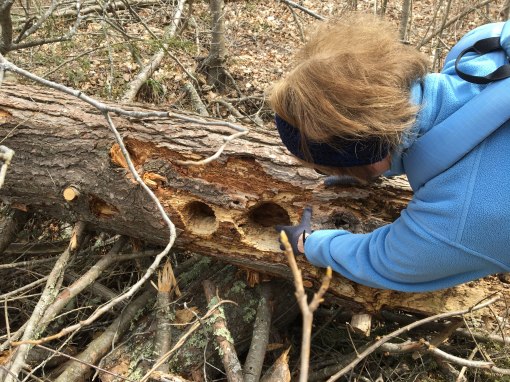
Machimoodus 4

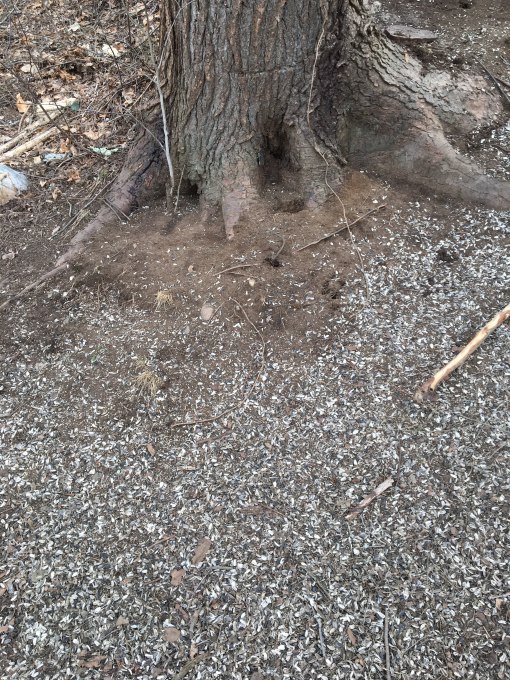
Pileated woodpecker holes

Machimoodus 3

We heard peepers… spring IS coming!

Machimoodus 2

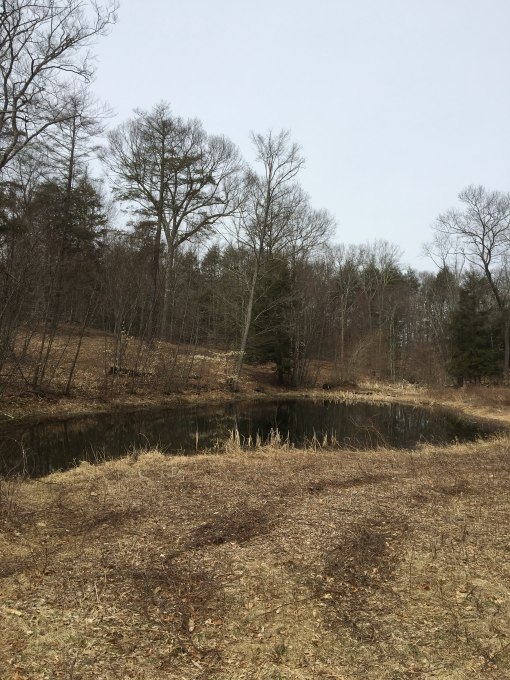
Beautiful scenic overlook of Salmon Cove… kayaking soon…

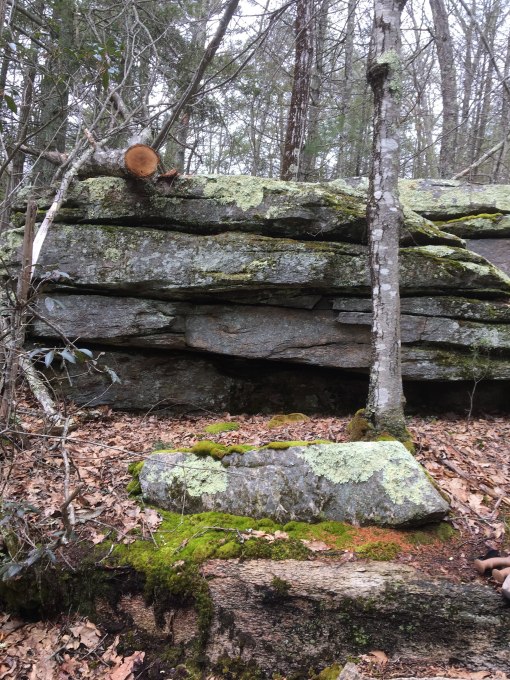
Machimoodus 5

Empty sunflower seeds and a small hinge in the base of the tree… a mystery

Wrasslin Cats 2

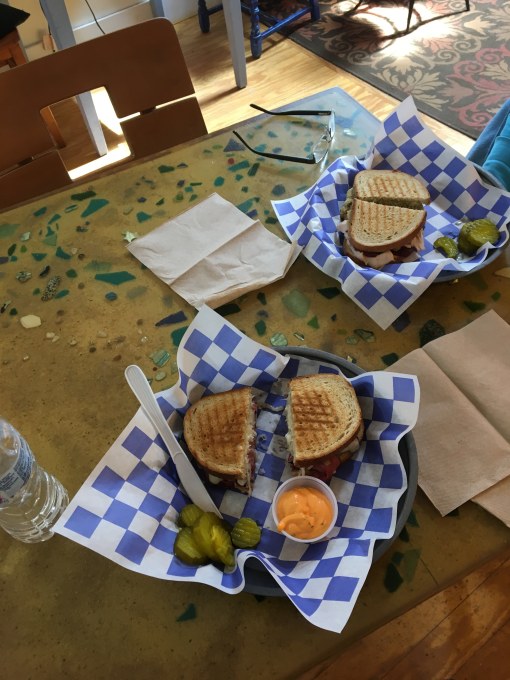
Yummy lunch at Two Wrasslin’ Cats, East Haddam, CT


George D Seymour State Park

28 03 2018

Seymour SP 1

From the DEEP site: George Dudley Seymour was a man of vision. In 1883, at the age of 24, he began his law career in New Haven. His great success as a patent attorney provided him with the wealth necessary to fulfill his desire of land preservation in many areas of the state. In addition to the acquisition of this 334 acre park which bears his name, Seymour and his foundation acquired all or part of seven other state parks: Beaver Brook, Becket Hill, Bigelow Hollow, Hurd, Millers Pond, Platt Hill, and Stoddard Hill state parks and the Nathan Hale State Forest.

This park location in Seymour’s name was once the estate of George, Henry and Thomas Clark. Their Clark Cutaway Harrow Company in Higganum successfully produced cider presses, disk harrows, hay spreaders, plows, carriage jacks and other necessities of the day in the late 1800s and into the early 1900s. Their wealth enabled them to purchase the land and build their family estate at this location along the Connecticut River. The estate was called Clarkhurst for their own surname, and -hurst, meaning a wooded piece of rising ground.  Here along the floodplain their comfortable lives played out and their agricultural tools were tested.

Over the years Henry purchased the property from his brothers, but with his passing in 1914 the mansion and many buildings began their decline.  Deeded to his daughter in 1921, she attempted the maintenance of the property through the development of a golf course and other recreational facilities. But by the depression years of the 1930s, overgrowth and structural collapse had sealed its fate.  In 1942 the land was acquired by Mrs. Marion Guthrie who, though she attempted its quick sale ultimately held it until 1960.  Gladly the George Dudley Seymour Foundation provided the $60,000 necessary and the Connecticut Forest and Park Association was able to purchase the land for the state.

It is interesting to note that native grasses across the state have been altered or replaced over time as a result of various land uses. But here on these floodplain soils, grass species that date from the 1600s or earlier can be found. These grasses predate European colonization and represent a time only the Native peoples were witness to. These and other grasslands within the park provide an excellent location for bird watching. In the spring of some years the DEEP manages this habitat with mowing and through controlled burns.

Wrasslin Cats 1

We lunched at Two Wrasslin’ Cats, East Haddam. Good food, great ethics, home to Saturday vigils and various marches.


2018 April A to Z Blog Challenge

19 03 2018

For the seventh year, I will be participating in the April A to Z Blog Challenge (I encourage you to check it out, if you’ve never seen it). My overarching theme is A Good Life and this year’s focus is on Stretches: a daily post with a stretch to contribute towards a Good Life. Stretches are an extension or expansion of our current life, a way to explore new opportunities or make small changes to our perspective. Something that takes a little c-h-ourage (envision the Cowardly Lion in The Wizard of Oz). It may turn out to be fun or not, but you’re glad you tried it.

Sign up there to follow these posts and get a dose of daily ideas emailed directly to you for the month of April.

Beth Lapin's avatarBeth Lapin's A to Z Blog 2023

For the seventh year, I will be participating in the April A to Z Blog Challenge (I encourage you to check it out, if you’ve never seen it). My overarching theme is A Good Life and this year’s focus is on Stretches: a daily post with a stretch to contribute towards a Good Life. Stretches are an extension or expansion of our current life, a way to explore new opportunities or make small changes to our perspective.  Something that takes a little c-h-ourage (envision the Cowardly Lion in The Wizard of Oz). It may turn out to be fun or not, but you’re glad you tried it.

[In the spirit of providing daily commentary, I’m adding digraphs, those two letters that unite to consistently form a single sound, to my A to Z posts.]

View original post